
Feeding horses the right forage is crucial for their health, performance, and digestion. While grasses are the foundation of most equine diets, legumes can offer high-quality protein, minerals, and energy when used appropriately. In this guide, we explore what types of legumes are best for horses, the benefits and risks, feeding strategies, and recommendations based on equine nutrition research.
Understanding Legumes: What Makes Them Different?
Legumes are plants in the Fabaceae family, known for their ability to fix nitrogen in the soil, resulting in:
-
Higher protein content than most grasses
-
Better digestibility
-
Richer in calcium and energy
Common legume forages include alfalfa, clover (red & white), and birdsfoot trefoil. These differ in nutritional profiles and suitability for various classes of horses.
Top Legumes for Horses (Research‑Backed)
1. Alfalfa — The Best Overall Legume for Most Horses
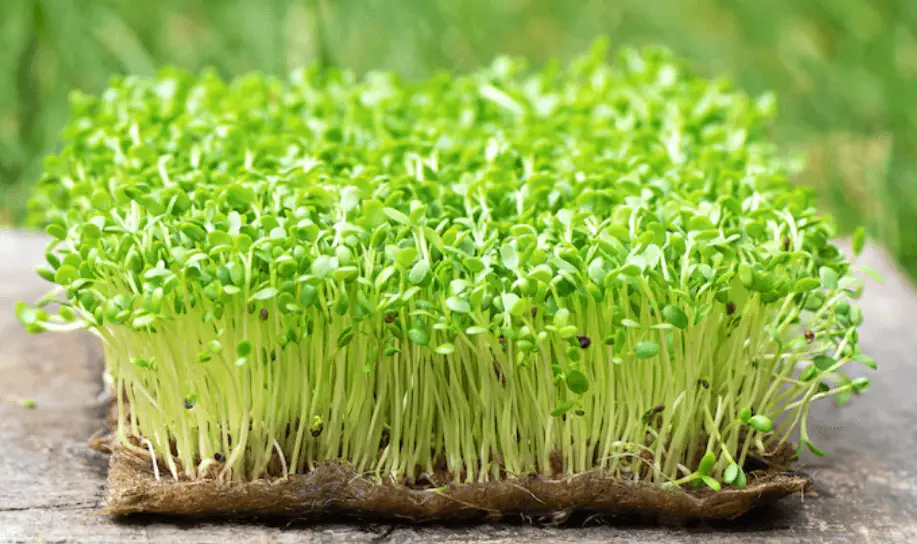
Why alfalfa is top choice:
-
High crude protein (15–22%)
-
Excellent energy source
-
Good calcium to phosphorus ratio
-
Highly digestible
Benefits:
-
Supports growth in young horses
-
Great for breeding & performance horses
-
Helps maintain body condition in hard keepers
Considerations:
-
Higher calorie than grass — use carefully for easy keepers
-
Introduce gradually to avoid digestive upset
Research Basis:
Equine nutrition studies show alfalfa’s superior protein and calcium content supports muscle development and bone health better than many grass hays.
2. Clover — Good Forage but With Cautions

Clover types like red clover and white clover are palatable and nutritious, but:
Pros:
-
Good energy and protein
-
Pleasant taste encourages intake
Cons:
-
Some varieties can cause bloat in horses if consumed in large amounts
-
Quality varies significantly with cutting and maturity
Tip:
Mix clover with grass hay to balance nutritive value and reduce digestive risks.
3. Birdsfoot Trefoil — A Safer Alternative

Birdsfoot trefoil contains condensed tannins that can:
-
Reduce risk of bloat
-
Provide moderate protein and energy
Why it’s valuable:
Ideal for horses sensitive to richer forages or prone to digestive issues. While less common than alfalfa, it’s gaining popularity for balanced nutrition.
Benefits of Feeding Legumes to Horses
High Protein for Tissue Repair & Growth
Legumes typically contain higher protein than grass hays, helping:
-
Muscle repair
-
Growth in foals and yearlings
-
Performance horses during training
Calcium‑Rich For Bone Health
Good calcium support is essential for:
-
Growing horses
-
Pregnant and lactating mares
-
Horses in heavy work
Alfalfa’s calcium content often surpasses grass hays, aiding skeletal development.
Energy Support for Performance Horses
Because legumes are more concentrated than grass forage, they provide extra calories without excess bulk — great for:
-
Hard keepers
-
Working equines
-
Horses needing weight gain
Cautions & When to Limit Legumes
While legumes are beneficial, too much can cause issues:
1. Excess Weight Gain
Easy keepers may gain unwanted weight if fed high amounts of alfalfa.
2. Digestive Upset
Sudden changes in diet or large legume meals can lead to:
-
Colic
-
Loose stools
Solution:
Introduce legumes gradually over 7–10 days.
3. Bloat Risk with Certain Clovers
Legume forages like red clover can cause gas buildup and discomfort.
Prevention:
Offer in mixed hay or avoid pure clover stands.
How Much Legume Should You Feed? (Feeding Guide)
There’s no one-size-fits-all, but general recommendations:
| Horse Type | Legume Inclusion |
|---|---|
| Performance / Lactating | Up to 50% of forage intake |
| Growing Foals | Up to 30–50% |
| Easy Keepers | 10–25% or minimal |
| Digestive‑Sensitive Horses | Select birdsfoot trefoil or limited alfalfa |
Always tailor feeding rates to your horse’s body condition, age, workload, and health status.
How to Introduce Legumes Safely
-
Start with small portions mixed with grass hay
-
Increase gradually over 7–10 days
-
Monitor stool consistency and appetite
-
Offer fresh water at all times
Signs Your Horse Is Responding Well
✔ Healthy body condition
✔ Shiny coat
✔ Normal manure
✔ Good energy levels
FAQs — What Is the Best Legume to Feed a Horse
Q1: Can I feed alfalfa to all horses?
A: Alfalfa is excellent for growing, performance, and breeding horses. For easy keepers, feed in smaller amounts to prevent excess weight gain.
Q2: Is clover safe for horses?
A: Clover is nutritious but can cause bloat if fed in large amounts. Mix with grass hay or limit intake.
Q3: What is birdsfoot trefoil used for?
A: Birdsfoot trefoil is a safer legume for horses prone to digestive issues. It provides protein and energy without high bloat risk.
Q4: How should I introduce legumes to my horse?
A: Start with small portions mixed with grass hay and gradually increase over 7–10 days while monitoring digestion.
Q5: How much legume should a performance horse eat?
A: Up to 50% of their total forage intake, based on body condition and workload.
Conclusion
The best legume to feed a horse is typically alfalfa, thanks to its high protein, energy, and calcium content — making it ideal for growing, performance, and breeding horses. Clover and birdsfoot trefoil are good alternatives, with birdsfoot trefoil reducing bloat risk. Proper introduction and balanced feeding are key to maximizing benefits while minimizing digestive issues.