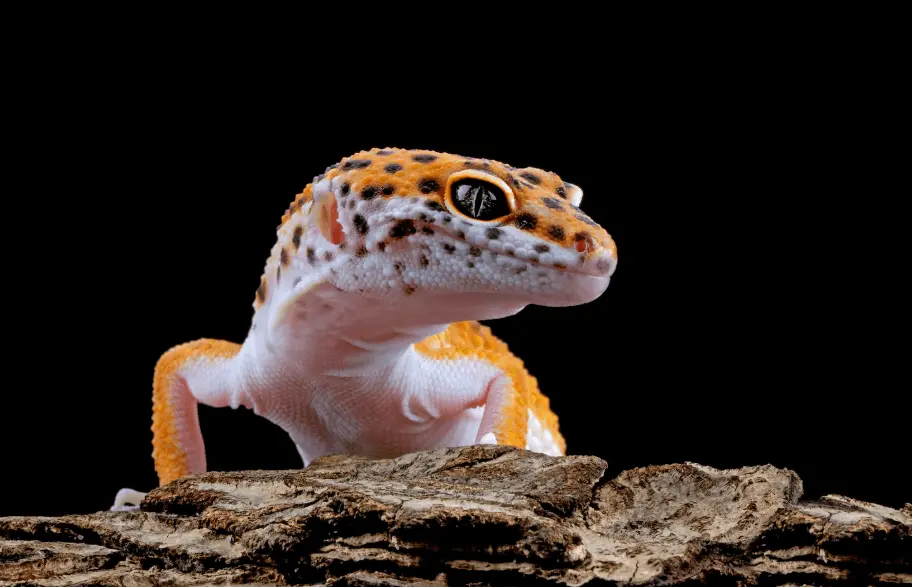
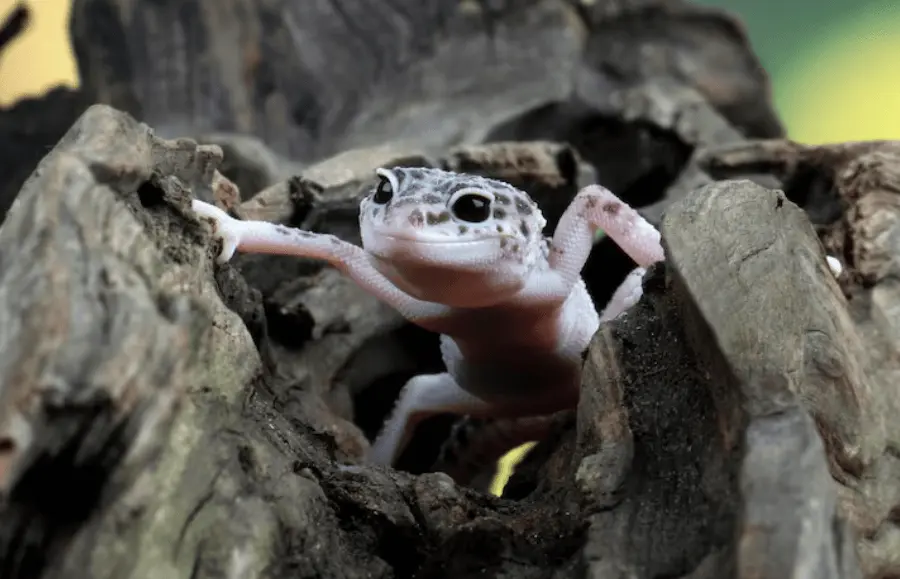
Crested geckos (Correlophus ciliatus) are one of the most popular pet reptiles today. Known for their unique eyelashes, charming personalities, and low-maintenance care, these geckos are perfect for both beginners and experienced reptile keepers.
One of the most important aspects of crested gecko care is understanding their diet. Feeding your gecko the right foods ensures they stay healthy, active, and thrive for years.
Understanding Crested Gecko Diets
Crested geckos are omnivorous, meaning they eat both insects and fruits. In the wild, their diet consists of:
-
Insects – Crickets, roaches, and other small arthropods
-
Fruits – Soft, sweet fruits like bananas, peaches, mangoes, and berries
-
Nectar and pollen – Sometimes consumed from flowers
In captivity, it’s important to replicate this balanced diet to provide all essential nutrients, calcium, and vitamins.
What to Feed Your Crested Gecko
1. Commercial Crested Gecko Diet (CGD)
The easiest and most reliable option is a commercial crested gecko diet:
-
Available in powdered form, which you mix with water
-
Provides complete nutrition with proteins, vitamins, and calcium
-
Easy to serve and clean, reducing the risk of nutritional deficiencies
-
Ideal for juveniles and adults
Tip: Offer CGD 3–4 times per week for adults, and more frequently for juveniles.
2. Live Insects
Insects are an important protein source:
-
Crickets – Most common; gut-loaded with nutritious food before feeding
-
Dubia roaches – Highly nutritious and easy to digest
-
Mealworms or waxworms – Treats only; high in fat
Feeding Tips:
-
Dust insects with calcium and vitamin powder 1–2 times per week
-
Feed insects in moderation; overfeeding can cause obesity
3. Fruits and Purees
Fruits provide natural sugars, fiber, and additional nutrients:
-
Safe options: Banana, mango, papaya, peach, and berries
-
Serve in small amounts or mix with commercial diet
-
Avoid citrus or acidic fruits, which may upset their digestive system
Tip: Puree fruits or use baby food (unsweetened and additive-free) to mix with CGD for variety.
Water and Hydration
Crested geckos rarely drink from standing water. Instead:
-
Mist the enclosure daily to provide water droplets
-
Ensure they can lick water from leaves or surfaces
-
Clean water bowls if used to avoid bacterial growth
Proper hydration supports shedding, digestion, and overall health.
Feeding Schedule
| Age | Diet Frequency |
|---|---|
| Hatchlings | Every day (CGD + small insects) |
| Juveniles | Every 1–2 days (CGD + insects) |
| Adults | 3–4 times per week (CGD + occasional insects) |
Tip: Remove uneaten insects within 12 hours to prevent stress or injury to the gecko.
Foods to Avoid
Avoid feeding your crested gecko:
-
Citrus fruits (lemons, oranges, grapefruits)
-
Processed human food (chocolate, sugar, dairy)
-
Large insects that could cause impaction
-
Sticky or overly hard fruits
Providing safe and nutritious food ensures your gecko’s longevity and vitality.
Final Thoughts
Crested geckos thrive on a balanced diet of commercial food, insects, and occasional fruits. Understanding their nutritional needs helps prevent malnutrition, obesity, or digestive issues.
By following this feeding guide and providing fresh water, proper supplements, and safe enclosure conditions, you can enjoy a happy, healthy crested gecko that lives for 15–20 years.