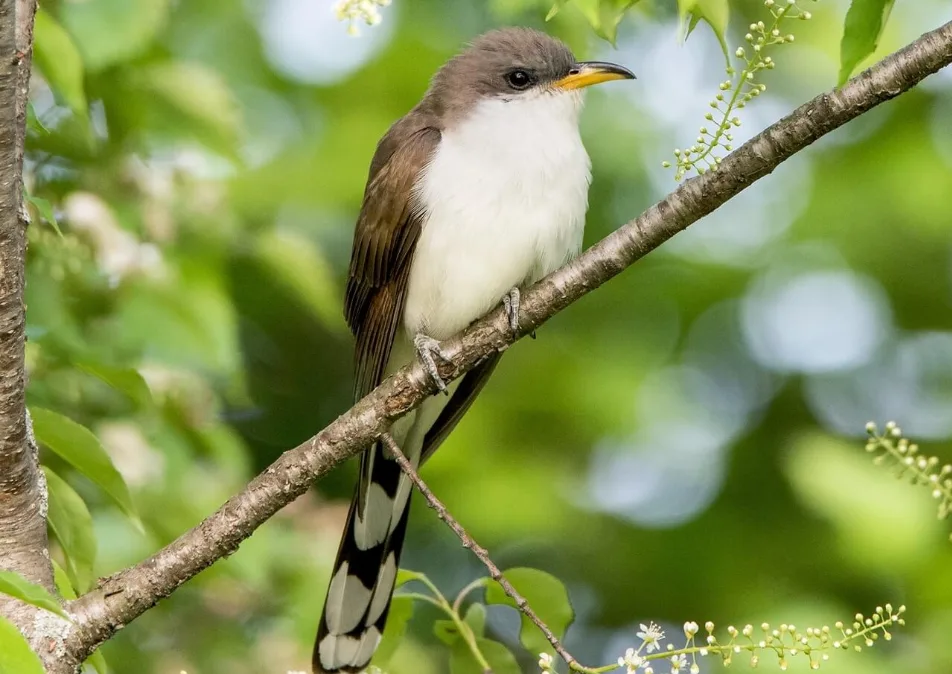
Birds are among the most fascinating creatures in the animal kingdom, and their mating behavior is no exception. From courtship dances to unique reproductive anatomy, birds have developed special ways to ensure their species continues. If you’ve ever wondered how do birds mate, this complete guide will explain everything clearly — from courtship to egg-laying.
Understanding Bird Reproduction
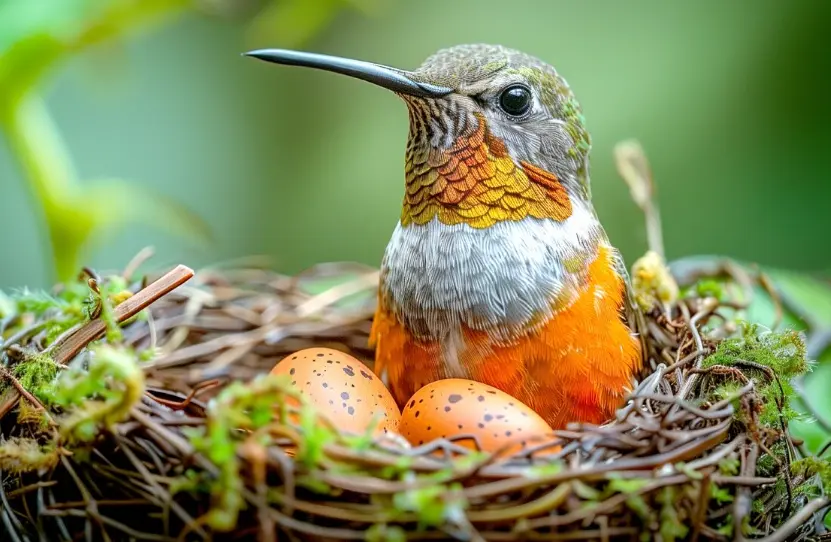
Bird reproduction differs quite a bit from that of mammals. Most birds don’t have external reproductive organs like mammals do. Instead, both male and female birds have a single opening called the cloaca — used for digestion, urination, and reproduction.
During mating, this cloacal opening plays a central role in transferring sperm from the male to the female.
The Courtship Phase
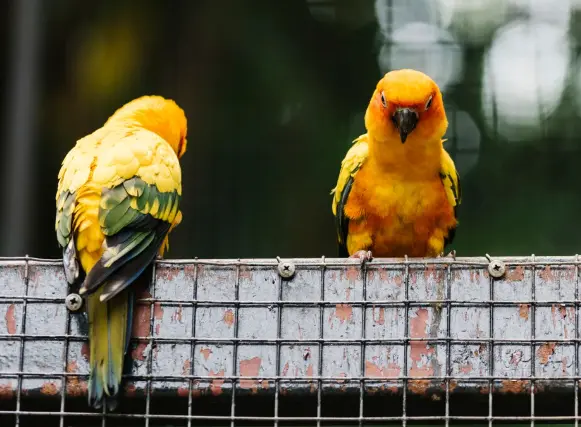
Before mating actually happens, birds go through a period of courtship. This stage helps them select the best possible partner for breeding.
1. Songs and Calls
Male birds often sing complex songs to attract females and demonstrate their health and territory strength. Each species has unique melodies that act as “love songs.”
2. Visual Displays
Many birds, like peacocks, perform visual courtship displays by showing off their colorful feathers or performing special dances. These displays impress potential mates and communicate fitness.
3. Feeding Rituals
In some species, males offer food (called courtship feeding) to the female as a sign of their ability to provide for future chicks.
How Do Birds Mate Physically?
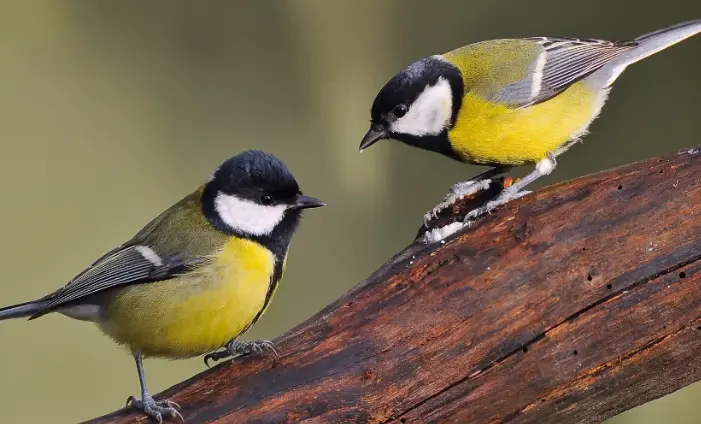
When the female accepts the male, the actual mating process begins — known as the “cloacal kiss.”
1. The Cloacal Kiss Explained
Both birds press their cloacas together for just a brief moment, usually lasting less than a second. During this contact, sperm is transferred from the male to the female’s reproductive tract.
2. Timing and Balance
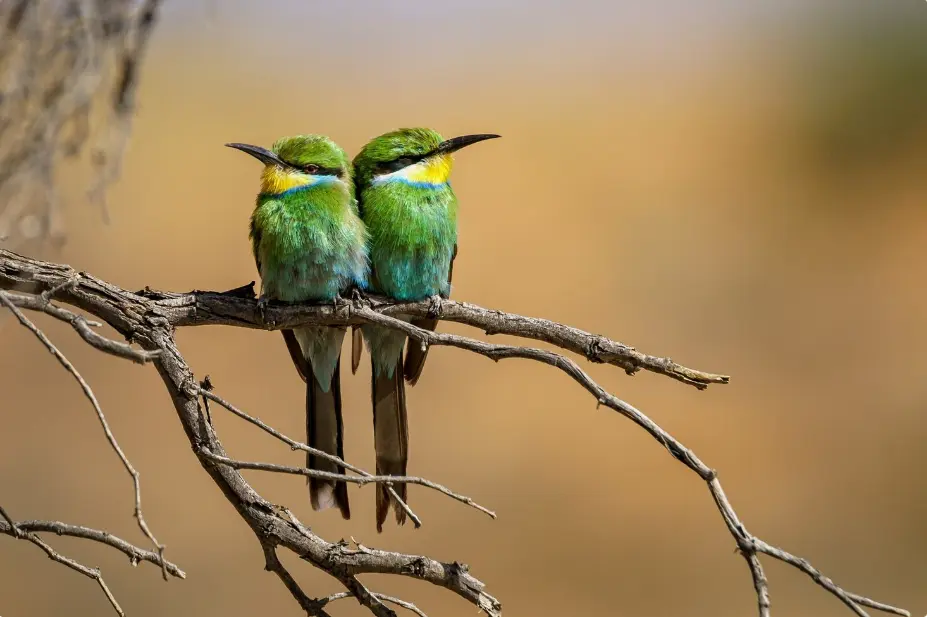
Since birds must maintain balance while standing or flying, they often perch close together before mating. Some species perform quick wing or body adjustments to ensure successful contact.
3. Fertilization Process
Once the sperm enters the female’s body, it travels up the oviduct to fertilize an egg. Birds can store sperm for several days — meaning fertilization can happen long after mating.
Egg Formation and Laying
After fertilization, the egg starts forming inside the female’s body. The process involves building layers of albumen (egg white), membranes, and finally the hard outer shell.
Depending on the species:
-
Some birds lay one egg per day until the clutch is complete.
-
Others, like raptors or parrots, lay fewer but larger eggs.
Once the eggs are laid, both parents (in many species) take turns incubating them to keep them warm until they hatch.
Do All Birds Mate the Same Way?
Not exactly. While most birds use the cloacal kiss, some have unique reproductive methods.
1. Waterfowl (like ducks and swans)
Male waterfowl have a penis-like organ, unlike most birds. This adaptation helps with mating in water, where the cloacal kiss wouldn’t be effective.
2. Flightless Birds
Species like ostriches and emus also have similar organs, making their mating process longer and more direct.
Interesting Bird Mating Facts
-
Some bird pairs mate for life, like swans and albatrosses.
-
In tropical species, bright feathers often indicate strong genetics and good health.
-
Female birds can store sperm from different males, allowing them to choose which sperm fertilizes their eggs.
-
Bird mating seasons are often linked to climate and food availability, ensuring chicks hatch when survival chances are highest.
Final Thoughts
So, how do birds mate? Through an incredible combination of courtship rituals, physical contact, and natural instinct. Their methods may differ across species, but one thing remains constant — the goal of continuing their kind.
From the elegant dance of cranes to the gentle cloacal kiss of songbirds, every mating behavior in birds showcases the beauty of nature’s design.