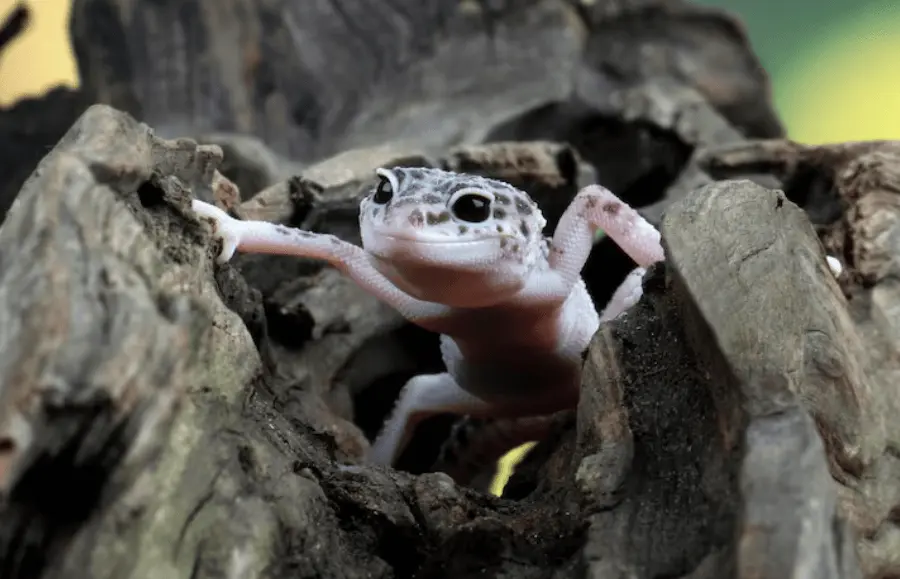
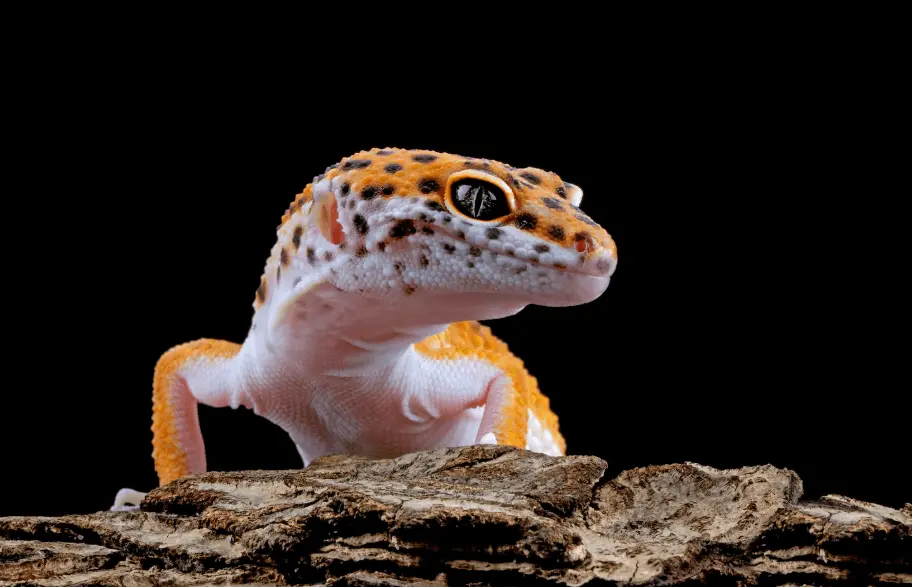
Leopard geckos are ectothermic reptiles, meaning their metabolism depends on temperature. They digest food more slowly than mammals and can survive longer periods without eating, especially if they are healthy adults.
-
Juvenile geckos: Need frequent feeding (every 1–2 days) for proper growth.
-
Adult geckos: Can survive longer periods without food but still need regular meals for health.
How Long Can a Leopard Gecko Go Without Food?
The exact duration depends on age, health, and environmental conditions:
| Age/Type | Approximate Duration Without Food |
|---|---|
| Juvenile | 1–2 weeks (must eat regularly to grow) |
| Healthy Adult | 2–4 weeks without serious harm |
| Breeding Female | 1–2 weeks max; extended fasting can be risky |
| Sick or Stressed Gecko | Only a few days; medical attention needed |
Important: Leopard geckos can survive without food for several weeks, but prolonged fasting can lead to weight loss, weakened immunity, and health problems. Always monitor your gecko’s weight and behavior.
Signs Your Leopard Gecko May Be Underfed
-
Noticeable weight loss
-
Wrinkled or sagging skin
-
Lethargy or lack of movement
-
Loss of appetite for more than 2 weeks in adults or 1 week in juveniles
If you notice any of these signs, consult a reptile veterinarian immediately.
Tips to Keep Your Leopard Gecko Eating Well
-
Offer a Variety of Live Food – Crickets, mealworms, and dubia roaches are ideal.
-
Ensure Proper Temperature – Maintain a warm side (88–90°F / 31–32°C) and a cool side (75–80°F / 24–27°C).
-
Provide Fresh Water – Even if they eat insects, hydration is essential.
-
Avoid Overfeeding Juveniles – Frequent meals are necessary, but too much can lead to obesity in adults.
-
Monitor Shedding – Difficulty in shedding can reduce appetite temporarily.
Why Occasional Fasting Happens
Sometimes leopard geckos skip meals naturally. Causes may include:
-
Seasonal changes (brumation, a reptile version of hibernation)
-
Stress due to new environments or handling
-
Illness or digestive issues
While short-term fasting can be normal, extended refusal to eat should not be ignored.
Final Thoughts
Leopard geckos are resilient creatures, capable of surviving several weeks without food, especially adults. However, regular feeding is crucial for growth, reproduction, and overall health. Always monitor your gecko’s weight, behavior, and environment, and consult a vet if fasting lasts too long or your gecko shows signs of distress.
By understanding your gecko’s needs, you can ensure they stay happy, healthy, and thriving in your care.