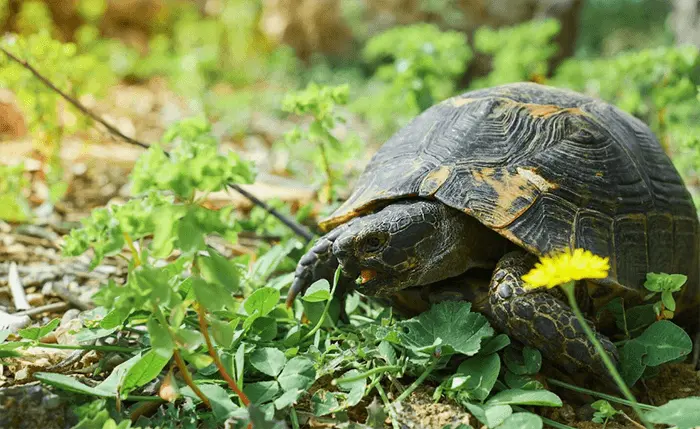
Tortoises are fascinating reptiles, but keeping them healthy starts with understanding their diet. A proper diet ensures long life, healthy shell growth, and active behavior. In this guide, you will learn what tortoises eat, the best food types for different species, and tips for a balanced tortoise diet.
Understanding Tortoise Diet Needs
Tortoises are mostly herbivores, which means their diet primarily consists of plants, fruits, and vegetables. However, the exact diet depends on the species, habitat, and age.
Key points:
-
High fiber, low protein diet
-
Calcium-rich food for shell health
-
Avoid processed or sugary foods
Best Foods for Tortoises
1. Leafy Greens (Staple Food)
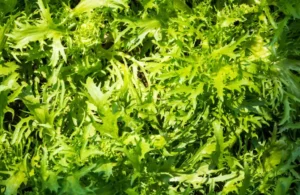
Leafy greens are the backbone of a tortoise’s diet.
-
Kale, dandelion greens, collard greens
-
Mustard greens, turnip greens
-
Avoid spinach in large amounts (can bind calcium)
Why important: Provides fiber, vitamins, and minerals essential for digestion and shell growth.
2. Vegetables
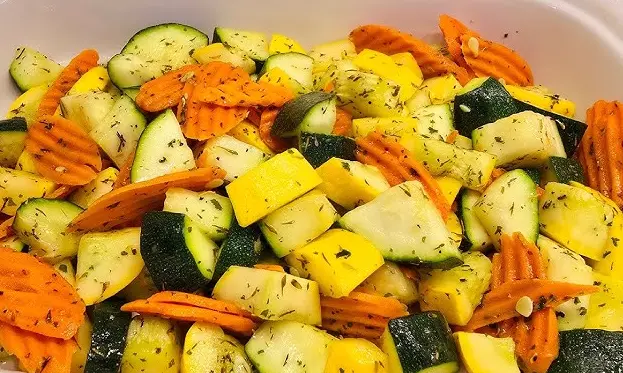
Vegetables add variety and nutrients.
-
Carrots (sparingly)
-
Squash, zucchini
-
Bell peppers
Tip: Chop veggies into small pieces for easier digestion.
3. Fruits (Occasional Treats)
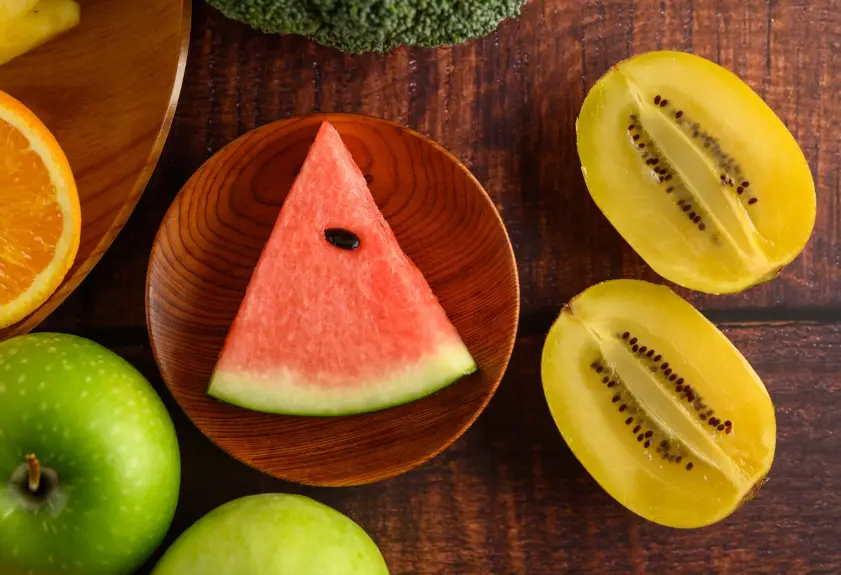
Fruits are sugary and should only be fed occasionally.
-
Strawberries, apples, blueberries
-
Papaya, melon
-
Avoid citrus fruits
Reason: Excess sugar can cause digestive issues and obesity.
4. Flowers
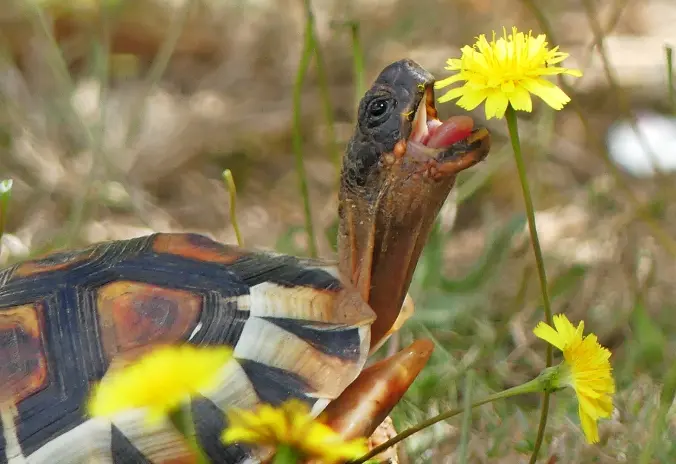
Many tortoises enjoy edible flowers, which also provide nutrients.
-
Hibiscus, nasturtium, dandelion flowers
-
Avoid toxic flowers like oleander
5. Weeds & Grasses
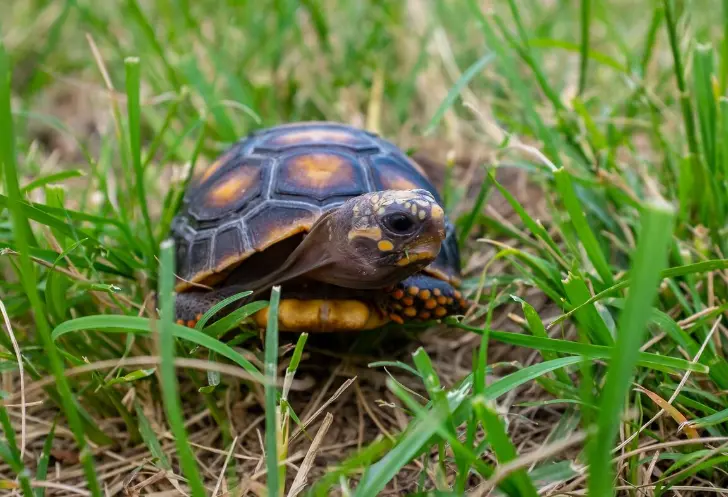
Wild tortoises often graze on weeds and grasses, which can be included for a natural diet.
-
Clover, plantain, chickweed
-
Timothy hay or Bermuda grass (dried, for grazing)
6. Calcium Sources
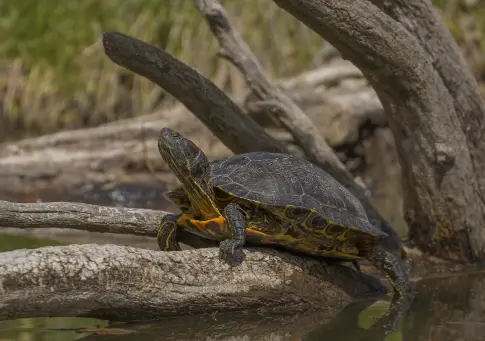
Calcium is essential for shell and bone development.
-
Cuttlebone (always available in tank)
-
Crushed eggshells
-
Calcium powder sprinkled on greens
Foods to Avoid Feeding Tortoises
-
Iceberg lettuce (low nutritional value)
-
Avocado, onion, garlic (toxic)
-
Dog/cat food or processed human food
-
Citrus fruits (can upset stomach)
Feeding Schedule and Portion Control
-
Juvenile tortoises: Feed daily
-
Adult tortoises: Feed 4–5 times per week
-
Portion size: About the size of the tortoise shell per day (mostly greens)
-
Provide fresh water daily for hydration
Tips for a Healthy Tortoise Diet
-
Always wash fruits and vegetables before serving
-
Avoid overfeeding sugary foods
-
Offer a variety of greens and veggies
-
Monitor shell growth and weight for dietary adjustments
-
Provide natural sunlight or UVB lighting to help vitamin D3 absorption
Frequently Asked Questions (FAQ)
Q1: Are tortoises herbivores?
Yes, most tortoise species are herbivores, feeding primarily on greens, vegetables, and occasional fruits.
Q2: Can tortoises eat fruit every day?
No, fruits should be given only occasionally due to their high sugar content.
Q3: Do tortoises need protein?
Some species may consume small amounts of protein occasionally, but most tortoises thrive on a plant-based diet.
Q4: How can I provide calcium for my tortoise?
Use cuttlebone, crushed eggshells, or calcium powder sprinkled on greens.
Q5: Can tortoises eat flowers?
Yes, edible flowers like hibiscus, nasturtium, and dandelion flowers are safe and nutritious.
A healthy tortoise diet focuses on leafy greens, vegetables, occasional fruits, edible flowers, and calcium supplements. Avoid toxic foods and provide variety to mimic their natural grazing behavior. Regular monitoring and proper portioning will help your tortoise grow healthy, active, and with a strong shell.