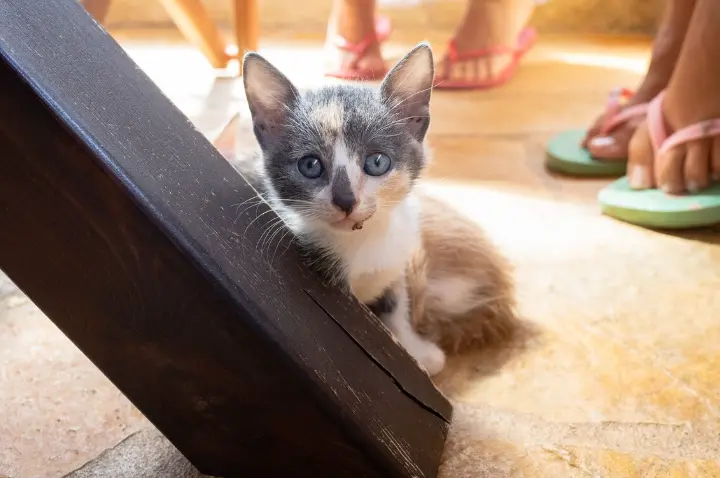
If you’ve ever watched your kitten transform into a playful young cat, you’ve probably wondered — when do cats stop growing?
Understanding your cat’s growth stages helps you care for their health, nutrition, and overall development more effectively.
When Do Cats Stop Growing?
Most cats stop growing at around 12 months (1 year) of age, but it can vary based on breed, diet, and genetics.
While most of their height and length development happens within the first 6 to 9 months, some cats continue to fill out and gain muscle up to 18–24 months.
Cat Growth Timeline (Stage by Stage)
1. Kitten Stage (0–6 Months)
This is the fastest growth period of a cat’s life.
-
Kittens double their birth weight within the first week.
-
They start walking, exploring, and learning social behaviors.
-
By 6 months, many kittens have reached about 75% of their adult size.
2. Adolescent Stage (6–12 Months)
Between 6 and 12 months, cats become leaner, taller, and more active.
-
Growth slows but continues steadily.
-
Their bones and muscles strengthen.
-
Many cats reach sexual maturity during this stage.
By the end of this period, most cats are nearly their full adult height and length, though they may still look a bit lanky.
3. Young Adult Stage (1–2 Years)
At this point, cats fill out physically — gaining muscle and body mass.
-
By 18 months, most cats are fully grown.
-
Large breeds like Maine Coons or Ragdolls can keep growing until 3–4 years old.
Factors That Affect Cat Growth
-
Breed:
-
Small to medium breeds (like Siamese or Burmese) stop growing around 12 months.
-
Larger breeds (like Maine Coons) may grow until 3 years.
-
-
Nutrition:
-
Proper nutrition supports healthy bone and muscle growth.
-
Feeding high-quality kitten food during the first year is essential.
-
-
Health:
-
Illness, parasites, or malnutrition can slow growth.
-
Regular vet checkups help ensure proper development.
-
-
Genetics:
-
Cats inherit growth patterns from their parents — just like humans.
-
How to Tell If Your Cat Has Stopped Growing
Here are some signs your cat has likely reached full size:
-
Weight and height remain stable for several months.
-
They no longer outgrow their collar or bed.
-
Their energy levels stabilize — less hyper, more balanced.
-
Adult teeth have fully come in (usually by 6–7 months).
If you’re unsure, a vet visit can confirm whether your cat’s growth plates have closed — the true sign of full maturity.
How to Support Your Cat’s Growth
To help your cat grow strong and healthy:
-
Feed a balanced, high-protein diet.
-
Keep up with vaccinations and deworming.
-
Encourage safe play and exercise for muscle development.
-
Provide a stress-free home environment.
When to Worry About Growth Problems
See a vet if your cat:
-
Is much smaller or larger than expected for its age.
-
Has poor appetite or low energy.
-
Shows signs of malnutrition or stunted growth.
Early diagnosis helps treat growth-related issues quickly.
Conclusion
So, when do cats stop growing?
Most cats reach their full size by 12 months, though some continue growing until 18–24 months. Larger breeds may take even longer.
By understanding your cat’s growth stages and providing the right nutrition and care, you’ll help them reach a healthy, happy adulthood — and enjoy every step of their journey from kitten to cat.