If you’ve ever watched your dog panting heavily and wondered whether something is wrong, you’re not alone. It’s one of the most common concerns dog owners search for online — and for good reason. Panting can mean anything from “I just had a great run” to “I need to see a vet right now.”
This guide breaks down every possible reason your dog might be panting excessively, how to tell the difference between normal and concerning, and exactly what to do in each situation.
What Is Normal Dog Panting?
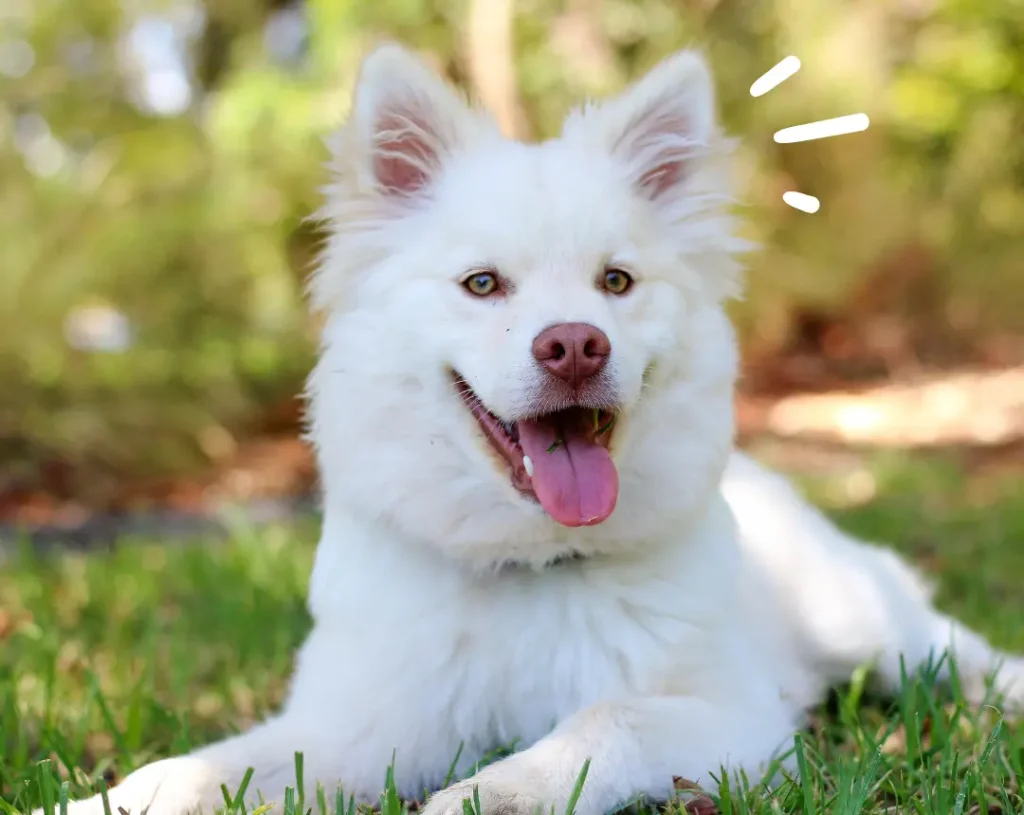
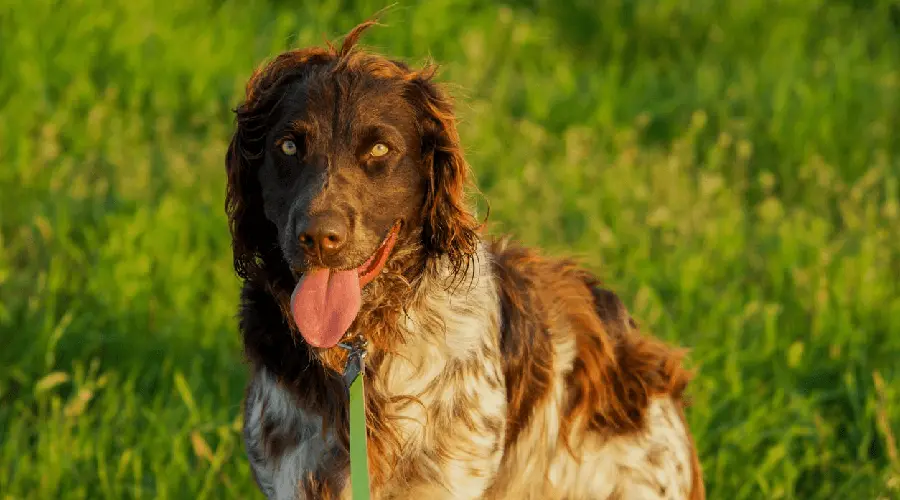
Dogs don’t sweat the way humans do. Instead of sweating through their skin, they regulate body temperature primarily through panting. When a dog pants, moisture evaporates from the tongue, mouth, and upper respiratory tract, which cools the body down.
Normal panting typically:
- Occurs during or shortly after physical activity
- Happens in warm or hot weather
- Resolves within 10–15 minutes of rest in a cool area
- Is accompanied by a relaxed, happy body posture
If your dog’s panting fits this description, there is usually nothing to worry about. The concern starts when panting happens at rest, appears suddenly, is unusually intense, or is paired with other symptoms.
Common Reasons Your Dog Is Panting So Much
1. Overheating or Hot Weather
The most frequent reason dogs pant heavily is heat. On a warm day, after outdoor exercise, or in a stuffy room, panting is your dog’s primary cooling mechanism. This is completely normal and expected.
What to do: Move your dog to a cool, shaded area and offer fresh water. On hot days, walk dogs during early morning or late evening. Never leave your dog in a parked car — temperatures can reach dangerous levels within minutes, even with windows cracked.
Flat-faced (brachycephalic) breeds like Bulldogs, Pugs, French Bulldogs, and Boxers are far more vulnerable to overheating because their shortened airways make it harder to cool themselves efficiently. Extra caution is needed for these dogs in warm weather.
2. Exercise and Physical Activity
Heavy panting after a run, a game of fetch, or a long walk is entirely normal. Your dog is simply catching their breath and cooling down.
What to do: Allow your dog to rest and drink water. Panting should slow noticeably within 15 to 20 minutes. If it doesn’t, or if it’s accompanied by weakness or staggering, move them somewhere cool and contact your vet.
3. Excitement or Stress
Dogs pant when they’re excited — before a walk, when guests arrive, or during play. This kind of panting is typically short-lived and comes with a wagging tail, bright eyes, and an alert posture.
Stress panting looks similar but is triggered by negative experiences: a thunderstorm, fireworks, car rides, separation from you, or visits to the vet. You may also notice yawning, pacing, trembling, or tucked ears alongside the panting.
What to do: For excitement panting, nothing is needed — it will resolve on its own. For stress and anxiety panting, try to identify and reduce the trigger. Calming wraps (like Thundershirts), white noise machines, and puzzle toys can help. For severe anxiety, speak with your vet about behavioral therapy or prescription medication options.
4. Pain or Discomfort
Dogs don’t cry out in pain the way humans might. Instead, they often express discomfort through behavioral changes — including panting. If your dog is panting at rest without an obvious trigger, pain may be the cause.
Look for accompanying signs: limping, reluctance to move, sensitivity when touched in a certain area, hunched posture, loss of appetite, or unusual restlessness.
What to do: Never give your dog human pain medications. Ibuprofen, acetaminophen, and aspirin are toxic to dogs and can cause serious harm. If you suspect your dog is in pain, book a vet appointment. Once the source is identified, effective and safe pain management options are available.
5. Anxiety or Fear
Anxiety-driven panting often looks the same as stress panting but may be more persistent. Dogs with generalized anxiety disorder or specific phobias (noise phobia, separation anxiety) can pant for extended periods, sometimes hours.
What to do: Track when the panting occurs and for how long. This pattern helps your vet understand whether anxiety medication, behavior modification, or a combination approach is appropriate. Do not punish a fearful dog — it makes anxiety worse.
6. Medications (Especially Steroids)
If your dog has recently started a new medication, particularly corticosteroids like prednisone or dexamethasone, increased panting is one of the most well-documented side effects. These drugs increase metabolism and can make dogs feel warmer, restless, and thirstier than usual.
What to do: Do not stop the medication without consulting your vet. Let them know about the panting — they may be able to adjust the dosage, change the dosing schedule, or switch to an alternative medication.
7. Obesity
Overweight dogs have to work significantly harder to breathe and regulate temperature. Even mild activity can cause excessive panting in a dog carrying extra weight. Obesity also puts pressure on the chest and lungs, reducing efficient airflow.
What to do: Speak with your vet about a healthy target weight and a safe weight-loss plan for your dog. This typically involves portion control, a lower-calorie diet, and a gradual increase in exercise. Do not put your dog on a crash diet — it should be a slow, supervised process.
When Panting Is a Medical Emergency
Some causes of heavy panting require immediate veterinary attention. Learning to recognize these situations could save your dog’s life.
8. Heatstroke
Heatstroke occurs when your dog’s body temperature rises above safe levels (above 39.4°C / 103°F) and the cooling system can no longer keep up. It progresses rapidly and can be fatal.
Signs of heatstroke include:
- Intense, frantic panting
- Excessive drooling
- Bright red or purple gums
- Glassy or glazed eyes
- Vomiting or diarrhea
- Weakness, staggering, or collapse
What to do immediately: Move your dog out of the heat. Apply cool — not cold or icy — water to the neck, armpits, and paw pads. Do not submerge in cold water or use ice packs, as this causes blood vessels to constrict and can make things worse. Head to the nearest vet or emergency animal clinic right away, even if your dog seems to be recovering.
9. Heart or Lung Disease
When the heart or lungs aren’t working properly, the body struggles to get enough oxygen into the bloodstream. One of the earliest signs is labored, heavy panting — even at rest.
Other warning signs include:
- Persistent coughing, especially at night
- Blue or grey tinted gums (a sign of low oxygen)
- Swollen abdomen
- Weakness and exercise intolerance
- An extended neck, as if trying to breathe more easily
What to do: This requires urgent veterinary evaluation. Your vet may recommend chest X-rays, an echocardiogram, or blood work. Many heart conditions in dogs are very manageable with medication when caught early, so don’t delay.
10. Cushing’s Disease (Hyperadrenocorticism)
Cushing’s disease is a hormonal condition where the body produces too much cortisol. It’s most common in middle-aged to older dogs and can be easy to miss early on because symptoms develop slowly.
Classic signs include:
- Chronic excessive panting, especially at night
- A pot-bellied appearance
- Increased thirst and urination
- Hair loss or a dull coat
- Lethargy
- Skin that bruises or heals slowly
What to do: Schedule a vet visit. Diagnosis involves blood and urine tests. Cushing’s disease is treatable — medications like trilostane are effective at controlling the condition and dramatically improving quality of life.
11. Anemia or Internal Bleeding
When the body isn’t producing or carrying enough red blood cells, tissues don’t receive adequate oxygen. Panting is the body’s attempt to compensate by breathing faster. This can be caused by internal bleeding, toxin exposure, or autoimmune conditions.
Signs to watch for:
- Pale, white, or yellowish gums
- Rapid or labored breathing at rest
- Extreme weakness or collapse
- Loss of appetite
What to do: This is a veterinary emergency. If you notice pale gums alongside heavy panting, go to an emergency vet immediately. If poisoning is suspected, bring the substance or packaging with you.
12. Respiratory Infections or Airway Blockage
Pneumonia, kennel cough, or an object partially blocking your dog’s airway can all cause labored or unusual panting. If your dog’s breathing sounds different — wheezy, rattly, or with a honking sound — this needs prompt attention.
What to do: Do not attempt to remove a suspected airway obstruction yourself unless your dog is in immediate distress and no help is available. Get to a vet as quickly as possible.
How to Tell Normal Panting From Abnormal Panting
Here is a simple way to evaluate what you’re seeing:
| Situation | Likely Normal | Needs Attention |
|---|---|---|
| After exercise or play | Yes | Only if it doesn’t slow within 20 min |
| During hot weather | Yes | Watch for heatstroke signs |
| At rest, no trigger | No | Yes — see a vet |
| With pale or blue gums | No | Emergency — go immediately |
| Sudden onset overnight | No | Yes — see a vet |
| With new medication | Possibly | Tell your vet |
| Older dog, gradual onset | No | Yes — could be Cushing’s or heart disease |
Questions Your Vet Will Ask
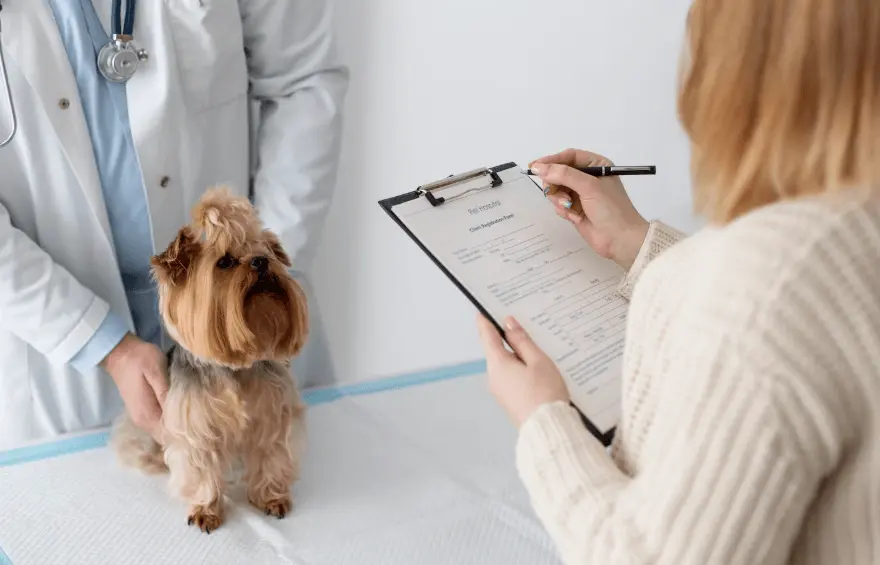
If you bring your dog in for excessive panting, it helps to be prepared. Your vet will likely want to know:
- When did the panting start?
- Is it constant or does it come and go?
- Does it happen at rest, during activity, or both?
- Has anything changed recently — new food, new medication, new environment?
- Are there any other symptoms?
- How is your dog’s appetite, water intake, and energy level?
The more specific you can be, the faster the cause can be identified.
Breeds That Pant More Than Others
Some dogs are simply anatomically prone to more panting than others. Brachycephalic (flat-faced) breeds have shortened airways that make breathing inherently less efficient. If you own one of these breeds, some degree of increased panting is normal — but it also means they’re more vulnerable to the conditions listed above.
Common brachycephalic breeds include:
- English Bulldog
- French Bulldog
- Pug
- Shih Tzu
- Boxer
- Boston Terrier
- Cavalier King Charles Spaniel
Senior dogs of all breeds may also pant more due to reduced cardiovascular efficiency, chronic pain, or conditions like Cushing’s disease.
Final Thoughts
Panting is a completely natural and necessary behavior for dogs — but it becomes a concern when it’s excessive, unprovoked, or paired with other symptoms. The key is knowing your dog’s baseline. When something seems off, trust that instinct.
For panting caused by heat or exercise, rest and water are usually all that’s needed. For anxiety, identifying and addressing the trigger makes the biggest difference. For anything that involves unusual gum color, labored breathing at rest, or sudden unexplained onset — always contact your vet without delay.