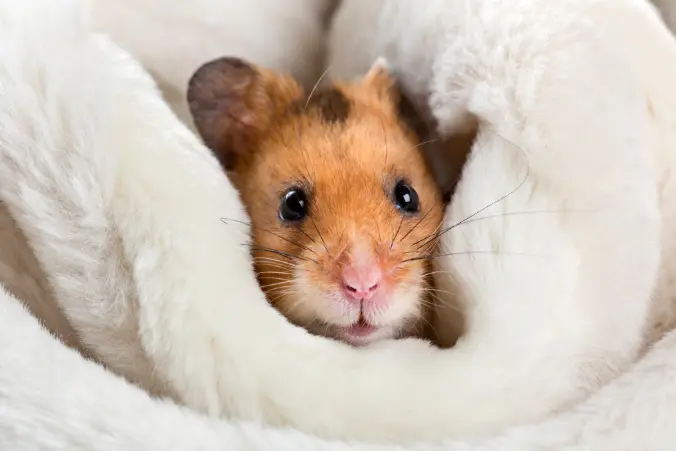
Winter weather can be challenging for pet hamsters because their small bodies are sensitive to cold temperatures. Unlike humans, hamsters cannot regulate their body temperature effectively in chilly conditions and may become stressed, sick, or even enter a dangerous state of torpor if the environment gets too cold. Ensuring your hamster stays warm, comfortable, and healthy during the winter months is essential for their wellbeing.
Understanding Hamster Temperature Needs
Hamsters thrive in moderate temperatures. Most experts recommend keeping the room where your hamster lives between 65–80 °F (18–27 °C). Below about 59 °F (15 °C), hamsters start to struggle to maintain warmth, and if temperatures fall even lower they can enter torpor, a hibernation-like state that can be life-threatening if prolonged.
1. Keep Their Cage in a Warm, Draft-Free Area
Placement of the hamster cage is one of the most important steps in winter care:
-
Place the cage indoors in a room that maintains a stable temperature throughout the day.
-
Avoid areas near windows, doors, or exterior walls where cold air can seep in.
-
Do not put the cage on the floor where cold air settles — elevated stable surfaces are better.
Maintaining a consistent environment reduces stress and helps your hamster stay warm without extra energy expenditure.
2. Provide Extra Bedding and Nesting Material
Hamsters naturally burrow and nest to conserve heat. Adding more bedding in winter is vital:
-
Use safe, absorbent bedding like paper-based bedding, which is warm and allows burrowing.
-
Increase the bedding depth significantly so your hamster can build a snug nest that traps body heat.
-
Provide extra nesting materials such as shredded paper or other hamster-safe material.
A deeper nest not only helps with warmth but also gives the hamster a sense of security and comfort.
3. Consider Safe Supplemental Warming Methods
If your home gets colder than recommended, there are safe ways to help your hamster stay warm:
-
Place a microwavable heat pad or similar heating element under a section of the enclosure. This creates a warmer zone while still letting the hamster move to a cooler area if needed.
-
Blankets or fleece can be placed under the cage (not inside where the hamster can chew).
-
Some owners use thermostatically-controlled heat pads designed for small animals, but never let the hamster chew heating elements or expose them directly to hot surfaces.
Always ensure that any added warmth doesn’t block ventilation or overheat your hamster.
4. Monitor Food, Water, and Nutrition
Winter increases energy needs because your hamster uses extra calories to stay warm:
-
Ensure abundant fresh food daily and slightly increase nutrient-rich foods (pellets with balanced vitamins and proteins).
-
Provide a constant supply of fresh water and check it often — water bottles can freeze or slow down in cold rooms, so keep them functioning.
-
Offering a few extra healthy treats can help boost calorie intake, but avoid overfeeding.
Good nutrition supports overall health and keeps the immune system strong in winter.
5. Watch for Signs of Cold Stress or Illness
Hamsters in cold environments may show subtle signs of distress. Be alert for:
-
Curling tightly in bedding for hours.
-
Shivering or slow movement, indicating they are struggling to stay warm.
-
Low appetite, lethargy, or disorientation, which can be signs of cold stress or early torpor.
If you notice any of these symptoms, increase the warmth immediately and consult a veterinarian familiar with small pets. Prompt attention can prevent serious complications.
6. Maintain Regular Hygiene and Comfort
Cleanliness plays a role in winter health too:
-
Remove soiled bedding regularly because damp or smelly bedding can chill your hamster and cause respiratory issues.
-
Continue routine cage cleaning — hamsters sleep more this time of year, but consistent hygiene prevents disease.
Conclusion
Keeping hamsters healthy in winter involves more than just temperature control — it’s about creating a stable, warm, and comfortable home environment, providing extra bedding and optimal nutrition, and monitoring their behavior closely for signs of stress. With these practices, your hamster can stay comfortable and lively throughout the chilly season.